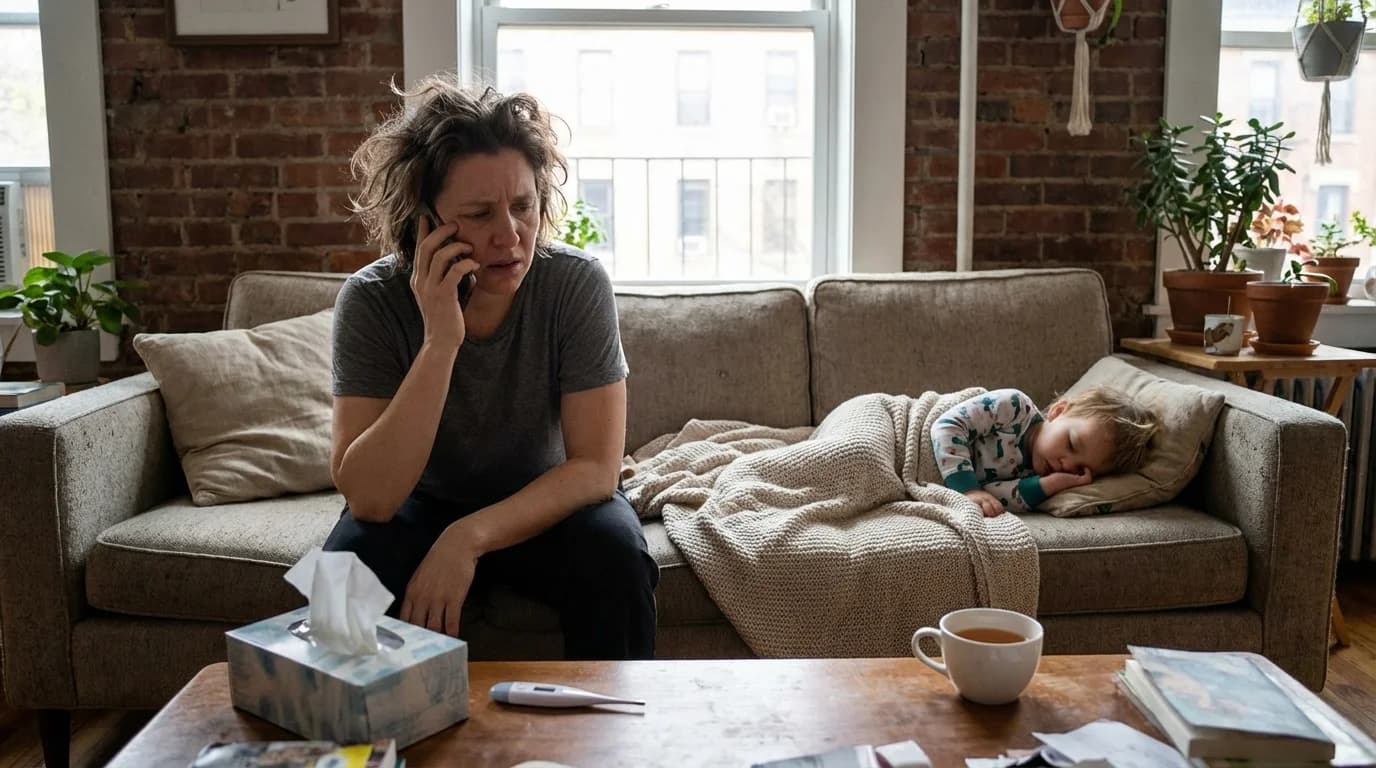
It is the scenario every working parent in Brooklyn dreads. You are halfway through your morning routine, coffee in hand, when your phone buzzes with a message from daycare: your child has a temperature of 101 and needs to be picked up immediately. Your meetings are stacked, your partner is across town, and your backup plan is nonexistent.
If this has happened to you, you are far from alone. According to the CDC's Early Care and Education Portal, children in group care settings experience an average of eight to twelve illnesses per year during their first two years of attendance. For families in Brownsville, East Flatbush, and surrounding Brooklyn neighborhoods, understanding sick-day policies, knowing when to seek medical attention, and having a dependable backup care plan can transform a stressful morning into a manageable one.
Understanding NYC DOHMH Sick-Day Policies
Every licensed daycare center in New York City operates under health regulations set by the NYC Department of Health and Mental Hygiene (DOHMH). These rules exist to protect all children in the classroom, not just the one who is feeling unwell. As a parent, understanding these policies before your child gets sick will save you time, anxiety, and last-minute scrambling.
Under the NYC Group Child Care Compliance Guide, childcare programs are required to maintain illness logs, follow exclusion guidelines, and notify parents promptly when a child shows signs of contagious illness. The most commonly enforced rules include:
- The 24-hour fever rule. A child who registers a temperature of 100.4 degrees Fahrenheit or higher must be excluded from the program and may not return until they have been fever-free for at least 24 hours without the use of fever-reducing medication such as acetaminophen or ibuprofen.
- The 24-hour vomiting and diarrhea rule. Children who vomit or experience diarrhea must stay home until they have been symptom-free for a full 24 hours. This policy helps prevent the rapid spread of gastrointestinal viruses like norovirus, which the CDC notes is one of the most common causes of illness outbreaks in childcare settings.
- Contagious illness exclusion. Conditions such as conjunctivitis (pink eye), hand-foot-and-mouth disease, strep throat, and certain rashes require exclusion until a healthcare provider clears the child for return. Some conditions require proof of treatment, such as 24 hours on antibiotics for strep.
- Reportable illnesses. Programs must report certain infectious diseases to the NYC DOHMH, including measles, pertussis, and hepatitis A. Parents are typically notified when a reportable illness affects someone in their child's classroom.
At Einstein Daycare, we follow all DOHMH guidelines and communicate proactively with families. We understand that these policies can feel inconvenient, but they are essential for keeping every child in our care healthy. You can learn more about how we approach health and safety in our post on daycare health and safety standards in Flatbush.
Common Daycare Illnesses Every Brooklyn Parent Should Know
When your child enters a group care setting for the first time, their immune system faces a steep learning curve. The American Academy of Pediatrics (AAP) notes that young children are particularly susceptible to infections because their immune systems are still developing and because group settings naturally involve close physical contact, shared toys, and communal spaces.
Here are the illnesses that most frequently lead to sick days for daycare-age children:
Upper Respiratory Infections (Common Colds)
Colds are by far the most frequent cause of daycare absences. Children under five may experience six to ten colds per year. Symptoms include runny nose, cough, congestion, and sometimes a low-grade fever. Most colds do not require exclusion from daycare unless the child has a fever or is too uncomfortable to participate in daily activities.
Gastrointestinal Viruses
Stomach bugs causing vomiting and diarrhea spread rapidly in daycare environments. The CDC recommends that childcare programs maintain strict handwashing and surface-cleaning protocols to limit transmission. The 24-hour exclusion rule applies to all gastrointestinal symptoms.
Hand, Foot, and Mouth Disease
Caused by the coxsackievirus, this illness produces small blisters on the hands, feet, and inside the mouth. It is highly contagious and most common in children under five. While uncomfortable, it typically resolves on its own within seven to ten days.
Ear Infections
Ear infections often follow a cold and are one of the most common reasons parents visit the pediatrician. They usually require antibiotic treatment but do not always necessitate exclusion from daycare unless the child has a fever or is in significant discomfort.
Conjunctivitis (Pink Eye)
Bacterial conjunctivitis produces a yellow or green discharge from the eyes and is contagious. Most programs require 24 hours of antibiotic eye drops before a child can return.
Influenza and RSV
Flu and respiratory syncytial virus are seasonal but can hit daycare classrooms hard. The AAP recommends annual flu vaccination for all children over six months as the single most effective prevention measure.
When to Call Your Pediatrician
Not every sniffle requires a doctor's visit, but some symptoms warrant prompt medical attention. The AAP's guidelines on when to keep your child home from child care recommend contacting your pediatrician if your child experiences any of the following:
- A fever above 101 degrees Fahrenheit that lasts more than 48 hours
- Difficulty breathing, rapid breathing, or wheezing
- Persistent vomiting or diarrhea lasting more than 24 hours, especially if accompanied by signs of dehydration (dry lips, no tears when crying, reduced urination)
- A rash that spreads rapidly, is accompanied by fever, or does not blanch when pressed
- Ear pain, tugging at ears, or drainage from the ear
- Behavioral changes such as unusual lethargy, inconsolable crying, or refusal to eat or drink
- Eye discharge that is thick, yellow, or green
For non-emergency concerns, many Brooklyn pediatric practices offer same-day sick visits and nurse advice lines. Having your pediatrician's after-hours number saved in your phone is a simple step that pays off when illness strikes at inconvenient times.
Building Your Backup Care Plan
The reality of daycare sick days is not a question of "if" but "when." Families who plan ahead spend far less time scrambling and far less energy worrying. Here is a framework for building a backup care plan that works for Brooklyn families:
1. Identify Your Backup Care Team
Sit down with your partner, if applicable, and list every person who could potentially watch your child on short notice. This might include grandparents, aunts and uncles, trusted neighbors, retired family friends, or a regular babysitter. Aim for at least three people on your list, because your first choice will not always be available.
2. Have "The Conversation" Before You Need It
Approach each person on your list and have an honest conversation. Explain the daycare sick-day policies, let them know how often they might be called upon (realistically, several times per year), and discuss compensation if appropriate. People are far more willing to help when they are asked in advance rather than in a moment of crisis.
3. Know Your Employer's Policies
Many employers in New York City offer paid sick leave that can be used to care for a sick family member. Under the NYC Earned Safe and Sick Time Act, most employees accrue up to 40 or 56 hours of paid sick leave per year, depending on employer size. Some workplaces also offer backup childcare benefits, remote work flexibility, or the ability to shift schedules on short notice. Understand your options before you need them.
4. Explore Backup Care Services
Several services in Brooklyn specialize in backup childcare for sick days. These include professional nanny agencies that offer last-minute placements and community-based care cooperatives. Some larger employers partner with backup care networks that provide subsidized in-home or center-based care for employees' children.
5. Prepare a Sick-Day Kit at Home
Keep a dedicated area stocked with age-appropriate medications (as recommended by your pediatrician), a thermometer, electrolyte solutions, bland snack foods, comfort items, and a few quiet activities or favorite books. Having everything in one place eliminates the stress of searching through cabinets while your child is uncomfortable.
6. Coordinate with Your Partner
If you share parenting responsibilities, establish a system for dividing sick days equitably. Some couples alternate, while others decide based on whose work schedule is more flexible on a given day. Whatever system you choose, agree on it ahead of time to avoid conflict during an already stressful moment.
Reducing Sick Days: Prevention Strategies That Work
While you cannot eliminate daycare illnesses entirely, several evidence-based strategies can meaningfully reduce their frequency:
- Handwashing. The CDC identifies handwashing as the single most effective way to prevent the spread of illness in childcare settings. Teach your child to wash with soap and water for at least 20 seconds, especially after using the bathroom, before eating, and after coughing or sneezing. The AAP calls handwashing "a powerful antidote to illness" and recommends making it a consistent family habit.
- Vaccinations. Keep your child up to date on all recommended immunizations, including the annual flu shot. NYC DOHMH requires immunization records for all children enrolled in licensed childcare programs.
- Adequate sleep. Well-rested children have stronger immune responses. Maintain consistent bedtime routines, even on weekends.
- Nutrition. A balanced diet rich in fruits, vegetables, and whole grains supports immune function. Pack nutritious lunches and snacks that your child will actually eat.
- Teach respiratory etiquette. Even toddlers can learn to cough into their elbow rather than their hands. Model this behavior consistently at home.
For more on how quality daycare programs handle illness prevention, read our guide to choosing a daycare in Brooklyn, which covers health protocols, staff training, and facility cleanliness standards.
The Silver Lining: Building Immunity
It may not feel like it when you are on your third sick day in a month, but there is a well-documented upside to early exposure to common childhood illnesses. Research consistently shows that children who attend group care settings before age three tend to have fewer illnesses once they reach elementary school, compared to children who enter group settings later. Their immune systems have already learned to recognize and fight many of the viruses circulating in classrooms.
This does not make the toddler years any easier, but it does offer reassurance that the frequent colds and stomach bugs are building a foundation for long-term health.
What to Expect When Your Child Returns
After a sick day, your child may need an adjustment period. They might be clingier than usual at drop-off, have a reduced appetite for a day or two, or tire more easily. This is entirely normal. Communicate with your child's teachers about how the illness progressed and any lingering symptoms. Good daycare programs, including ours at Einstein Daycare, track returning children's well-being closely during the first day back.
For tips on making transitions smoother, our post on preparing your child for their first week at daycare includes strategies that also apply to returning after an absence.
You Are Not Alone in This
Daycare sick days are one of the universal challenges of early parenthood. Every family in Brownsville, every parent commuting from East Flatbush, every caregiver juggling work and childcare across Brooklyn faces the same reality. The key is preparation, flexibility, and knowing that this phase does not last forever.
At Einstein Daycare, located at 900 Lenox Rd in Brooklyn, we work closely with families to communicate health policies clearly, respond promptly when illness occurs, and maintain the highest sanitation standards to minimize the spread of infection. We believe that a strong partnership between parents and caregivers is the best foundation for keeping children healthy.
Questions About Our Health Policies or Ready to Visit?
We are happy to walk you through our illness protocols, sanitation procedures, and how we support families during sick days. Schedule a tour at Einstein Daycare to see our Lenox Road facility in person, or call us at (718) 618-7330 to speak with our team. We serve families throughout Brownsville, East Flatbush, Flatbush, and surrounding Brooklyn neighborhoods.