Dropping your child off at daycare for the first time means trusting someone else with the most important person in your life. For parents in Flatbush, Brooklyn, one of the first questions is straightforward: how do I know this place is actually safe? Not "safe" in a vague, reassuring way. Safe in a verifiable, inspected, documented way.
NYC has a real answer to that question, and it lives in Article 47 of the Health Code. This law sets specific health and safety standards for every licensed daycare in the city. The requirements cover everything from what happens when your child arrives each morning to how staff handle a sick child to what the cribs look like in the infant room. Here is what those standards actually require, and what you should ask about before enrolling anywhere in Flatbush, Prospect Lefferts Gardens, or the surrounding area.
The Daily Health Check at Arrival
Every licensed daycare in NYC must conduct a visual health assessment of each child at drop-off. This is not optional and not a formality. Article 47, Section 47.27, requires that a trained staff member check every child for visible signs of illness before they enter the classroom each morning.
That check includes looking for fever symptoms, rashes, unusual lethargy, eye discharge, and any signs of a communicable illness. If a child shows symptoms, the daycare must separate that child from the group under direct adult supervision and notify the parent to come pick up their child promptly.
This daily screening is one of the most effective tools for preventing illness from spreading through a classroom full of toddlers who share toys and touch everything. Ask any program you are considering: "Who conducts the morning health check, and what specifically are they looking for?" A strong director will give you a detailed, confident answer. A vague response like "we keep an eye out" tells you the process is not formalized.
Immunization Requirements for NYC Daycares
New York State law requires all children enrolled in group childcare to have up-to-date immunizations. The specific vaccines required follow the CDC recommended immunization schedule and include DTaP, polio, MMR, hepatitis B, varicella, and others depending on the child's age.
Medical exemptions are available with documentation from a licensed physician. Religious exemptions for school and daycare immunization requirements were eliminated in New York State in 2019. This change strengthened the protection for all children in group care settings, particularly infants who are too young to be fully vaccinated and rely on the immunity of the children around them.
Licensed daycares must keep immunization records on file for every enrolled child and make them available during DOHMH inspections. If a daycare does not ask for your child's immunization records at enrollment, that should raise questions. It may mean they are not tracking compliance, which puts every child in the building at risk. If you are looking at programs for infants and toddlers, immunization compliance is especially critical because younger children are most vulnerable to vaccine-preventable diseases. Our guide to choosing an infant and toddler daycare in Brooklyn covers what else to evaluate for this age group.
What Happens When a Child Gets Sick at Daycare
Children in group care get sick. That is the reality of shared spaces, shared toys, and developing immune systems. What matters is how the program handles it. Article 47 requires licensed daycares to have clear written policies for managing illness, and those policies must include several specific provisions.
Programs must have a designated area for isolating sick children under direct adult supervision until a parent arrives. Staff must notify parents promptly when a child shows symptoms. Certain communicable diseases, including measles, pertussis, and others on the DOHMH reportable disease list, must be reported to the city within 24 hours.
Before enrolling, ask the director for a written copy of the sick policy. These specific questions will tell you whether the program takes illness management seriously:
- What symptoms result in a child being sent home? Fever above a specific threshold, vomiting, diarrhea, undiagnosed rash, and pink eye are standard grounds for exclusion.
- How long must a child stay home after being sick? Most programs require children to be symptom-free for 24 hours without medication before returning.
- How are other parents notified about illness in the classroom? Good programs send a general notice when a communicable illness is identified, without naming the sick child.
- What cleaning happens after a sick child is identified? Surfaces, toys, and shared materials in the affected classroom should be disinfected the same day.
A daycare that hands you a clear, written sick policy during your first visit is one that has thought about this carefully. A daycare that improvises the answer during a tour is one that has not.
Safe Sleep Standards for Infants
If you are considering daycare for a baby, safe sleep is probably already on your mind. Article 47's sleep provisions mirror the American Academy of Pediatrics safe sleep guidelines, and NYC enforces them through inspections.
The requirements are specific. Every infant must sleep on their back on a firm, flat surface in their own crib. No loose bedding, blankets, pillows, bumper pads, stuffed animals, or positioning devices are allowed in the crib. If a child falls asleep in a car seat, bouncer, swing, or stroller, staff must move them to a crib immediately. Swaddling is not permitted in any licensed group care setting in NYC.
The most critical provision: at least one staff member must remain awake and actively supervising during all nap and sleep times. There are no exceptions. This rule exists because the risk of sudden unexpected infant death increases when sleeping infants go unmonitored.
Parents touring daycares along Flatbush Avenue or in PLG should ask to see the sleep area during their visit. Count the cribs. Check for loose items. Ask the director to walk you through the nap routine step by step. Any reluctance to show you the sleep setup is a reason to keep looking.
Hand Washing and Sanitation Rules
Illness in childcare settings spreads primarily through contaminated hands and surfaces. Article 47 addresses this with detailed sanitation requirements that inspectors verify during every visit to a licensed program.
Staff must wash hands before and after every diaper change, after helping a child use the bathroom, before preparing or serving food, and after contact with any child showing signs of illness. Children must also wash hands after bathroom use, before eating, and after outdoor play. Hand-washing sinks must have liquid soap dispensers and paper towels accessible to children at their height.
Diaper changing has its own set of standards. The changing surface must be non-porous and sanitized with an approved disinfectant after every single use. Staff must wear disposable gloves for every diaper change. A hand-washing sink must be located adjacent to the changing area, within arm's reach. Soiled diapers go into a covered, hands-free container that gets emptied daily.
These details might seem granular, but they are the difference between a classroom where one stomach bug stays with one child and a classroom where it runs through half the enrollment in a week. During your tour, glance at the diaper changing area. Is the surface clean? Is there soap at the adjacent sink? Are gloves stocked and within reach? Small observations tell big stories about how a program actually operates day to day.
What to Ask About Health Policies Before Enrolling
You do not need to memorize Article 47 to evaluate a daycare's health practices. You just need the right questions. These are the ones that separate well-run programs from the rest:
- Can I see your most recent DOHMH inspection report? Programs are required to have these available. A director who shares them without hesitation is demonstrating confidence in their compliance.
- What is your daily health screening process at drop-off? You want to hear about specific steps and who performs them, not a vague "we check the kids."
- How do you handle food allergies and dietary restrictions? Programs that serve meals must accommodate documented allergies and medical dietary needs with no room for error.
- What cleaning products do you use, and how often are toys and surfaces sanitized? The answer should reference daily cleaning routines and same-day disinfection after any identified illness.
- What happens if my child is injured? Look for a clear protocol: immediate first aid, incident report documentation, parent notification within a specific timeframe.
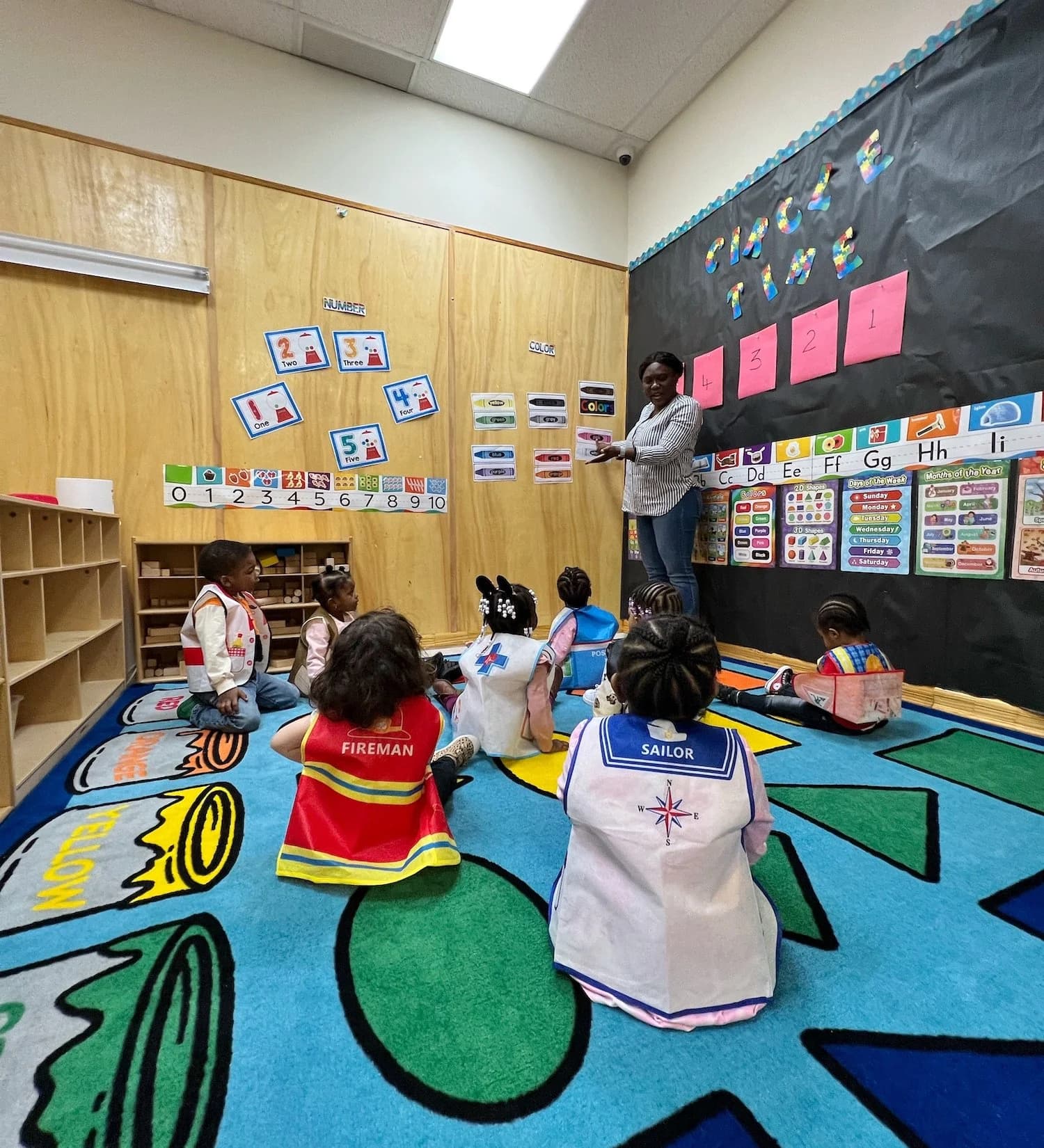
At Einstein Daycare in East Flatbush, we maintain ECERS-R environment standards in every classroom, which includes health and sanitation practices that go beyond Article 47's minimums. You can see how our classrooms are set up by visiting our photo gallery or scheduling an in-person visit.
When to Keep Your Child Home
Even the best daycare cannot prevent every illness. Parents play a critical role in keeping classrooms healthy by making the right call each morning. Most licensed programs follow standard guidelines on when a child should stay home:
- Fever of 100.4 degrees F or higher within the past 24 hours
- Vomiting or diarrhea within the past 24 hours
- Undiagnosed rash that has not been evaluated by a doctor
- Pink eye (conjunctivitis) until 24 hours after treatment begins
- Head lice until after first treatment
- Diagnosed communicable illness until cleared by a physician or the required exclusion period has passed
There is real tension in this decision for working parents. Staying home with a sick child means missing work, and for many families in East Flatbush, Brooklyn, and the 11226 zip code, that is a financial hit that is hard to absorb. But sending a sick child to daycare means potentially exposing an entire classroom, including infants whose immune systems are still developing.
Strong programs handle this with empathy and clarity. They communicate honestly about symptoms, give parents straightforward assessments, and work with families on the transition back. The licensing standards we covered in a separate post exist partly to make sure these decisions are handled consistently across every program in the city.