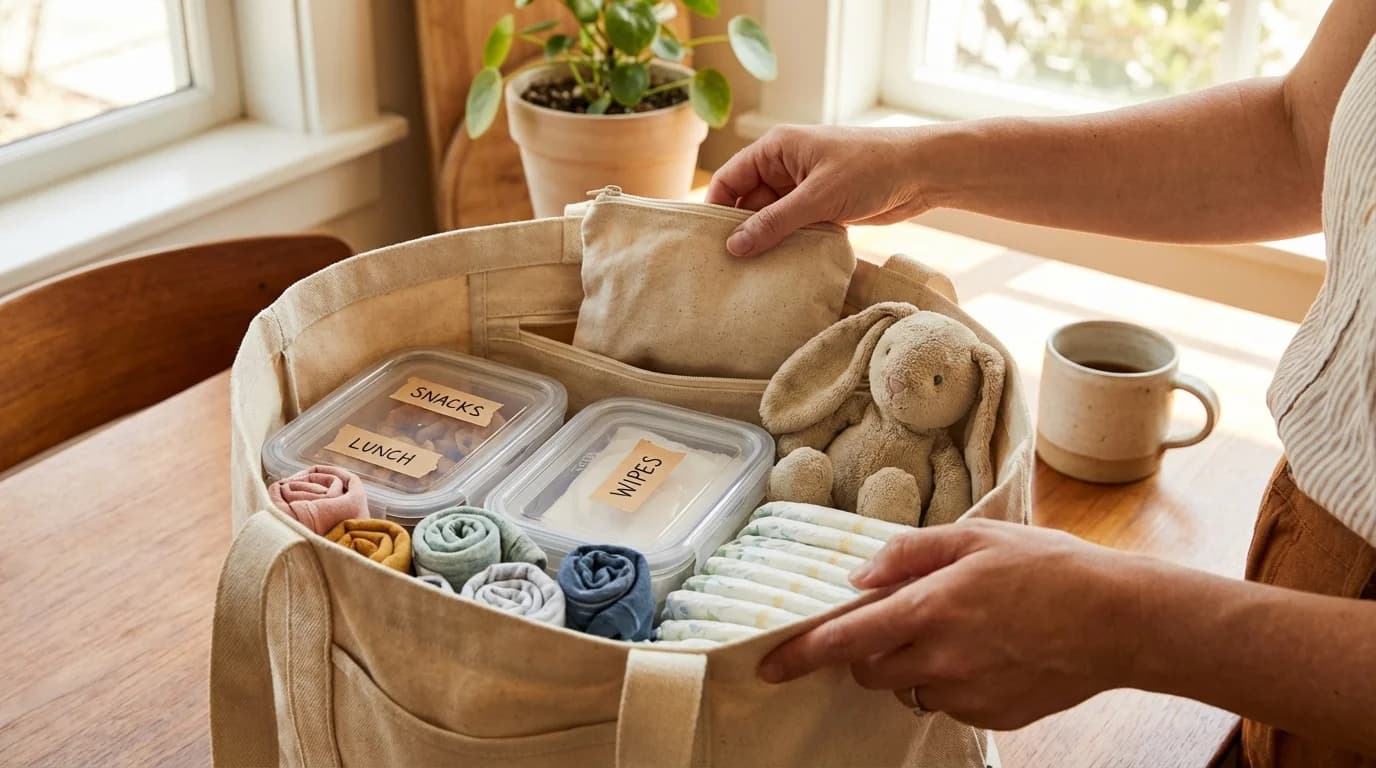
The night before your child's first day at daycare, you will probably find yourself standing in front of a diaper bag, second-guessing every item you put in and every item you leave out. Too much and the bag becomes an unwieldy burden. Too little and you get the dreaded text from your child's teacher asking for supplies you forgot to send.
After years of helping families in East Flatbush and across Brooklyn prepare for daycare, we have learned that the secret to a well-packed daycare bag is not about bringing everything your child might need. It is about bringing the right things, organized in a way that makes life easier for everyone: you, your child, and their caregivers.
This guide breaks down exactly what to pack by age group, explains NYC DOHMH supply requirements that licensed programs must follow, and includes practical tips for labeling, seasonal adjustments, and the items you should always leave at home.
NYC DOHMH Supply Requirements: What Your Daycare Must Provide vs. What You Bring
Before packing anything, it helps to understand the division of responsibility. Under NYC DOHMH childcare regulations, licensed group childcare centers are required to maintain certain supplies on-site, including:
- Clean, age-appropriate cots or cribs for rest time
- Bedding that is washed regularly and assigned to individual children
- Soap, paper towels, and hand sanitizer at handwashing stations
- First-aid kits stocked with required supplies
- Epinephrine auto-injectors for allergic emergencies
- Cleaning and sanitizing materials for surfaces, toys, and diapering areas
Parents are typically responsible for personal items: diapers, wipes, changes of clothing, food items (unless meals are provided), and comfort objects. Each program may have its own specific list, so always check with your daycare during the enrollment process. The NYC Group Child Care Compliance Guide details the full scope of what programs must provide.
The Essential Daycare Bag: What Every Child Needs Daily
Regardless of your child's age, these items belong in the bag every single day:
- A change of clothes (at minimum). Spills, art projects, outdoor play, and bathroom accidents happen. Pack at least one full outfit, including underwear or a diaper, socks, and seasonally appropriate layers. For younger toddlers and children who are potty training, pack two full changes.
- Comfort item. A small blanket, stuffed animal, or lovey that helps your child feel secure during nap time or moments of separation anxiety. Keep it small enough to fit in a cubby.
- Water bottle. A labeled, leak-proof water bottle encourages hydration throughout the day. The AAP emphasizes the importance of adequate hydration for young children, particularly during active play.
- Weather-appropriate outerwear. A jacket, hat, or rain gear depending on the season. Brooklyn weather can shift quickly, so layering is always a good strategy.
Packing by Age Group
Infants (6 Weeks to 12 Months)
Infants require the most supplies because they cannot communicate their needs verbally and because their care routines (feeding, diapering, sleeping) are the most intensive. According to Zero to Three, infants thrive when their daily routines at daycare mirror their routines at home as closely as possible. Packing the right supplies helps make that consistency possible.
Daily essentials for infants:
- Diapers. Pack six to eight diapers per day, or more if your child is prone to frequent changes. Many programs ask parents to bring a full pack at the start of each week.
- Wipes. A full container at the start of the week, replenished as needed.
- Diaper cream or ointment. Include a signed medication authorization form if your program requires one for topical applications. Check your center's policy.
- Bottles and formula or breast milk. Label every bottle with your child's name and the date. Breast milk should be stored in leak-proof bags or bottles. Most centers follow the CDC's guidelines on safe breast milk storage and will discard milk that has been at room temperature for more than two hours.
- Burp cloths and bibs. Pack two to three per day.
- Pacifiers. If your child uses one, send at least two in a clean, labeled case.
- Two full changes of clothing. Include onesies, pants, socks, and a hat if needed.
- Crib sheet. Some programs ask parents to provide a fitted sheet for their child's assigned crib, laundered weekly at home.
- Sleep sack or swaddle. If your child uses one for naps, provide it clean at the start of each week. The AAP's safe sleep guidelines recommend against loose blankets in cribs for infants under twelve months.
Toddlers (12 Months to 2 Years)
Toddlers are in constant motion, which means more mess and more wardrobe changes. They are also beginning to eat solid foods independently, which introduces new packing considerations.
Daily essentials for toddlers:
- Diapers and wipes. Four to six diapers per day is typical, though this decreases as your child gets closer to potty training age.
- Sippy cup or water bottle. Labeled and leak-proof. Avoid cups with straws for children who tend to chew through them.
- Lunch and snacks (if not provided). Pack nutritious, easy-to-eat foods in labeled containers. Avoid choking hazards such as whole grapes, popcorn, hot dog rounds, and large chunks of raw vegetables. Cut food into age-appropriate pieces.
- Two changes of clothing. Toddlers are messy eaters, enthusiastic artists, and occasional puddle-jumpers. Two outfits is not excessive.
- Nap items. A small blanket and comfort object for rest time. Some programs provide cot sheets; others ask families to bring their own.
- Sunscreen. During warmer months, send a labeled bottle of broad-spectrum SPF 30 or higher sunscreen with a signed permission form for staff to apply it before outdoor play.
Preschoolers (3 to 5 Years)
By the preschool years, your child's daycare bag becomes lighter. Toilet training is typically complete (or nearly so), dietary needs are more predictable, and your child can communicate preferences. The focus shifts toward preparedness and independence.
Daily essentials for preschoolers:
- One full change of clothing. Accidents still happen, and art projects can be unpredictable. Include underwear, pants, a shirt, and socks.
- Water bottle. Children this age should be drinking water throughout the day, especially during active play.
- Lunch and snacks (if not provided). Preschoolers can handle a wider variety of foods. Include a balanced mix of protein, fruit, vegetables, and a grain. The AAP recommends involving children in choosing healthy foods to encourage good eating habits.
- Nap or rest items. A small pillow and blanket if your program allows them. Label everything.
- Seasonally appropriate outerwear. A clearly labeled jacket, hat, or mittens.
- Backpack. A child-sized backpack with their name on it helps preschoolers practice independence and take ownership of their belongings.
The Labeling Rule: If It Goes to Daycare, It Gets a Name
This cannot be overstated. Every single item that enters your child's daycare bag should be labeled with their full name. Clothing, bottles, containers, blankets, pacifiers, water bottles, jackets, hats, and shoes.
In a classroom with twelve or more children, identical sippy cups and nearly identical toddler-sized jackets are the norm, not the exception. Unlabeled items get lost, mixed up, or placed in the lost-and-found bin where they may sit for weeks.
Effective labeling strategies include:
- Iron-on or stick-on labels. Companies like Mabel's Labels, Name Bubbles, and Oliver's Labels sell waterproof, washer-safe labels designed specifically for daycare use. They adhere to clothing, bottles, containers, and shoes.
- Permanent marker. The simplest option. Write directly on clothing tags, the inside of shoes, and the bottom of containers. It fades with washing, so reapply periodically.
- Laundry stamps. A custom name stamp with permanent ink works well for clothing and fabric items.
Seasonal Packing Adjustments for Brooklyn Weather
Brooklyn's four distinct seasons require corresponding adjustments to your child's daycare bag. NYC DOHMH regulations require licensed programs to provide outdoor play time daily, weather permitting, which means your child needs appropriate gear year-round.
Spring and Fall
Layering is essential. Brooklyn mornings can start in the forties and warm into the sixties or seventies by afternoon. Pack a light jacket, a long-sleeved shirt, and short sleeves as a backup. Rain gear, including a waterproof jacket, is useful during April showers and the unpredictable weather of October and November.
Summer
Sunscreen becomes a daily essential. The AAP recommends broad-spectrum SPF 30 or higher for children, applied before arrival and reapplied by staff every two hours during outdoor play. Pack a sun hat, light and breathable clothing, and an extra set of clothes for water play if your program offers it. A clearly labeled reusable water bottle is critical during hot months.
Winter
Brooklyn winters require serious layering. Pack a warm coat, hat, mittens or gloves, a scarf or neck warmer, and snow-appropriate footwear. Indoor shoes or slippers are helpful so your child does not spend the day in heavy boots. Keep an extra pair of dry socks in the bag at all times. Remember that even in cold weather, children typically go outside for at least some portion of the day.
What NOT to Bring to Daycare
Just as important as what goes into the bag is what stays out of it. Most licensed daycare programs in Brooklyn, including Einstein Daycare, have clear policies about prohibited items. These typically include:
- Toys from home (unless it is a designated show-and-tell day). Personal toys cause conflicts, get lost, and can become choking hazards if they are not age-appropriate for the classroom.
- Food with common allergens (check your program's policy). Many programs are nut-free or restrict certain allergens to protect children with known sensitivities.
- Medication without authorization. All medications, including over-the-counter products like diaper cream, cough syrup, and allergy medication, require a signed medication administration form and, in many cases, a doctor's note. Never slip medication into your child's bag without informing staff.
- Jewelry and accessories. Necklaces, bracelets, hair clips with small detachable parts, and dangling earrings pose choking and strangulation risks for young children. The Zero to Three safety guidelines emphasize keeping small objects away from children under three.
- Clothing with drawstrings. Drawstrings on hoods and waists are a strangulation hazard, particularly for infants and toddlers on cribs and climbing structures. Choose pullover jackets or zip-ups instead.
- Electronic devices. Tablets, phones, and electronic toys are generally not permitted in daycare classrooms. Children benefit from hands-on, interactive play with peers, not screen time.
Organizing the Bag: Practical Tips from Daycare Teachers
After speaking with our teaching staff at Einstein Daycare, here are the organizational strategies they wish every parent knew:
- Use clear, labeled zip-lock bags. Group items by purpose: one bag for a change of clothes, one for diaper supplies, one for food items. Teachers can find what they need quickly without rummaging through the entire bag.
- Pack the night before. Morning routines with young children are unpredictable. Packing the bag the evening before eliminates one source of morning stress. Place it by the door alongside your own work bag and keys.
- Do a weekly inventory. Set a recurring reminder on your phone for Sunday evenings to restock diapers, wipes, and clean clothing. Replenish sunscreen, check for outgrown spare outfits, and swap seasonal items as needed.
- Keep a backup supply at daycare. Many programs offer cubby space for extra supplies. Keep a spare outfit, an extra pack of diapers, and a backup set of wipes in your child's cubby so you are never caught without essentials.
- Choose the right bag. For infants, a traditional diaper bag with multiple compartments works well. For toddlers and preschoolers, a child-sized backpack that they can carry and open independently encourages self-sufficiency. Make sure it is machine-washable.
For additional guidance on what to expect during your child's early days at a program, our article on preparing your child for their first week at daycare in East Flatbush covers routines, emotional readiness, and communication with teachers.
A Note About Potty Training Supplies
If your child is in the process of potty training, your daycare bag needs some additional items during this transition period. Pack at least three full changes of clothes, including extra underwear and socks. Include a small wet bag or plastic bag for soiled clothing that needs to come home for laundering. Communicate your potty training approach with your child's teachers so they can maintain consistency between home and daycare. The NAEYC emphasizes the importance of consistent communication between families and educators during developmental transitions like toilet training.
For a complete picture of what a day looks like at a quality Brooklyn daycare, read our post about a typical day at daycare in Brooklyn, which walks through the daily schedule from drop-off to pick-up.
Your Daycare Bag Checklist at a Glance
Keep this summary on your phone or printed on your refrigerator for quick reference:
- Diapers and wipes (age-dependent quantity)
- One to two full changes of clothing, labeled
- Bottles, formula, or breast milk (for infants), labeled and dated
- Lunch and snacks in labeled containers (if not provided)
- Labeled water bottle or sippy cup
- Comfort item for nap time
- Nap blanket or crib sheet (check program requirements)
- Sunscreen with signed permission form (seasonal)
- Weather-appropriate outerwear, labeled
- Diaper cream with medication authorization (if needed)
- Extra plastic bag for soiled clothes
At Einstein Daycare, we provide families with a detailed supply list during enrollment and communicate promptly when supplies need replenishing. We know that the daycare bag is one more thing on an already full plate, and we try to make it as straightforward as possible.
Ready to Learn More About Einstein Daycare?
We would love to show you our classrooms, introduce you to our teaching team, and answer any questions about what your child will need each day. Schedule a tour at our East Flatbush location at 900 Lenox Rd, Brooklyn, NY 11203, or call us at (718) 618-7330. We serve families throughout East Flatbush, Brownsville, Flatbush, and surrounding Brooklyn communities.